Ola Adu

I'm an engineer building for the advancement of humanity.

Look around. What do you see?

Now look again.

I love this world. The light, the bread, the strangers, all of it. And I can’t sit still in it, because for the first time in a very long while, thinking is cheap and the clay is wet again.

Most of what’s coming will be new. I’m drawn to what’s old. The enormous, tired things everyone walks past. They were alive once. Put your hand on one and you can still feel it.

I want to make old giants dance again.

I don’t know how yet. Nobody does. That’s the good part.

Meeting Elon CUNY Research Foundation

Education Projects Research Writing Links of Interest

X GitHub ~10k contributions LinkedIn

x.ai

Meeting Elon

CUNY Research Foundation

I worked full-time at the Research Foundation of The City University of New York.

Speculative urbanism: AI that lets cities rehearse their futures. Generative models and digital twins in place of static blueprints.

Education

Graduated high school at 14.

A.S. Computer Science

Harvard.

Projects

Concya Ontitled Omposition

Research

The Emergence of Machine Labor Markets. An adversarial investigation into whether AI-completed work will become standardized and financialized like oil, electricity, and cloud compute.

JOHN DOE: Zero-Raw-Context AI Orchestration. A privacy-preserving coordination system that routes tasks across frontier models while minimizing raw private context exposure.

World Models for Hospitality. A research agenda for agentic venue operations, framing hospitality as a partially observable system with a continuous world model as the intelligence layer for humans, agents, and robots.

Writing

What I've concluded.

Before the Screen. Why the future belongs to tools that preserve the original energy of thought.

Held Hostage by Your Own Coherence. The danger of AI memory isn't that it forgets who you are. It's that it remembers one version of you too well.

Links of Interest

Here are links to books, websites, blogs, PDFs, poems, etc. that I resonate with, and a few notes on them as well.

  • Cover of Meditations
    MeditationsBook

    Marcus Aurelius

    About. Private Stoic reflections on virtue, attention, setbacks, emotion, and how to act when life is uncertain. Penguin Classics, translated by Martin Hammond, introduction by Diskin Clay; 304 pages.

    Why. A compact manual for keeping judgment steady while building under pressure: separate what you control from what you don't, inspect your reactions, and keep choosing the useful next action.

  • Cover of Design till vardags
    Design till vardags: 100 formklassiker för hemmetBook

    Thomas Lindblad

    About. Bonnier Fakta, 2021. A Swedish-language tour of 100 beloved Scandinavian household objects and the designers behind them, arguing well-made everyday design is the most sustainable kind.

    Why. A catalog of how ordinary objects earn classic status through pure function and form — a study in building things people keep for 50 years. In Swedish.

  • Cover of 'Pataphysics Unrolled
    'Pataphysics UnrolledBook

    ed. Katie L. Price and Michael R. Taylor

    About. Penn State University Press, 2022. Essays tracing Alfred Jarry's pataphysics across literature, art, architecture, music and technology from the 1890s to today.

    Why. The "science of imaginary solutions" is a century of people building absurd systems that anticipated Dada, Surrealism and experimental tech. A license to think sideways.

  • Cover of The Quest for a Universal Theory of Intelligence
    The Quest for a Universal Theory of IntelligenceBook

    Christian Hugo Hoffmann

    About. De Gruyter, 2022. Proposes a universal theory of intelligence grounded in causal learning, comparing human, animal and artificial intelligence.

    Why. A real framework for what intelligence is across humans, animals and machines, so you can reason about your own systems instead of borrowing hype vocabulary.

  • Cover of Anti-Computing
    Anti-Computing: Dissent and the MachineBook

    Caroline Bassett

    About. Manchester University Press, 2022. A history of moments when computing's logics, utopias and promises were questioned or refused.

    Why. The strongest case against the default "computerize everything" instinct. Knowing the dissent tradition sharpens your own argument for what software should do.

  • Cover of Introduction to the Philosophy of History
    Introduction to the Philosophy of HistoryBook

    G. W. F. Hegel

    About. Primary text (Hackett, ~123 pages). Hegel on reason, providence and history.

    Why. A short Hegel text — his lectures arguing history is reason working itself out. Dense but brief; read after the Singer intro.

  • Cover of Twilight of the Idols and The Anti-Christ
    The Twilight of the Idols and The Anti-ChristBook

    Friedrich Nietzsche

    About. Primary text (Penguin Classics, 208 pages combined). Punchy and aphoristic.

    Why. The most direct on God — The Anti-Christ is his frontal attack on Christianity, Twilight his one-sitting demolition of every idol.

  • Cover of On the Genealogy of Morals
    On the Genealogy of MoralsBook

    Friedrich Nietzsche

    About. Primary text (Penguin Classics, 208 pages). The "God is dead" argument worked out as a history of morals.

    Why. His clearest sustained argument — where guilt, sin and Christian morality actually come from.

  • Cover of Hegel: A Very Short Introduction
    Hegel: A Very Short IntroductionBook

    Peter Singer

    About. An introduction, not a primary text (Oxford University Press, ~160 pages).

    Why. Hegel's own books are famously brutal — this is the sane way in, in plain English.

  • Cover of The Dhammapada
    The DhammapadaBook

    Gil Fronsdal (trans.)

    About. Fronsdal's clean modern translation with brief annotations (Shambhala, 176 pages).

    Why. Traditional verses attributed to the Buddha, 26 short chapters of one-liners, no narrator between you and the text.

  • Cover of Being Peace
    Being PeaceBook

    Thich Nhat Hanh

    About. His first book published in the US — breathing, awareness, and "being peace in order to make peace." 160 pages.

    Why. A brief practice book, readable in one sitting, and the most directly usable under founder-level stress.

  • Cover of Siddhartha
    SiddharthaBook

    Hermann Hesse

    About. Hesse's 1922 novel set in the Buddha's time — fiction inspired by Indian spiritual traditions. Dover Thrift edition, 112 pages.

    Why. One man's full arc through riches, lust and asceticism before he stops imitating teachers and finds his own path.

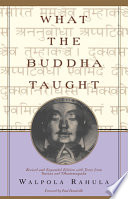
  • Cover of What the Buddha Taught
    What the Buddha TaughtBook

    Walpola Rahula

    About. The Four Noble Truths and core doctrine straight from the earliest Pali texts, with selected sutta translations (Grove, 192 pages).

    Why. #1 if you only read one — the source-text intro every other Buddhist book borrows from, written with engineer-grade precision.

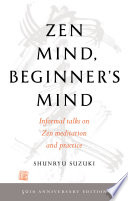
  • Cover of Zen Mind, Beginner's Mind
    Zen Mind, Beginner's MindBook

    Shunryu Suzuki

    About. Suzuki's collected talks on meditation and the "beginner's mind" (176 pages).

    Why. The mindset classic — attention, discipline, non-attachment in plain language.

  • Cover of The Right Stuff
    The Right StuffBook

    Tom Wolfe

    About. Wolfe's account of the Mercury astronauts and the test-pilot culture that produced them.

    Why. A classic study of a certain kind of courage under pressure.

  • Cover of The Clinton Tapes
    The Clinton TapesBook

    Taylor Branch

    About. The secret taped late-night interviews Clinton gave historian Taylor Branch throughout his presidency.

    Why. Clinton unguarded in his own words — how he read people and played persuasion in real time.

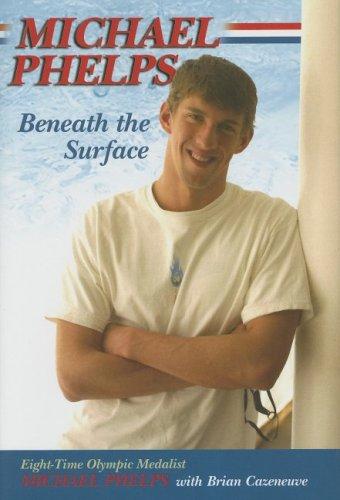
  • Cover of Beneath the Surface
    Beneath the Surface: My StoryBook

    Michael Phelps with Brian Cazeneuve

    About. Phelps's candid memoir — ADHD, his parents' divorce, and the pressures of being thrust into the limelight as a kid.

    Why. The fuller, honest version of his story, not the highlight reel.

  • Cover of If the Universe Is Teeming with Aliens
    If the Universe Is Teeming with Aliens... Where is Everybody?Book

    Stephen Webb

    About. A physicist's tour of seventy-five proposed answers to the Fermi paradox, weighing each against the evidence.

    Why. Seventy-five competing explanations for one question is a workout in reasoning under uncertainty.

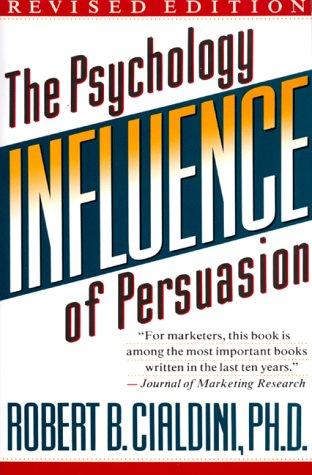
  • Cover of Influence
    InfluenceBook

    Robert B. Cialdini

    About. Cialdini's classic on the principles of persuasion — reciprocity, commitment, social proof, authority, liking, scarcity, with unity added in the 2021 edition.

    Why. For understanding why people agree and recognizing when those pressures are being used on you.

  • Cover of The Age of Napoleon
    The Age of NapoleonBook

    Will and Ariel Durant

    About. Volume XI of the Durants' Story of Civilization — Europe 1789–1815, Napoleon's wars and rule woven together with the era's art, science, and thought.

    Why. The fullest single case study of raw ambition meeting state power.

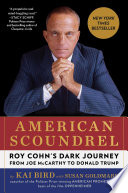
  • Cover of American Scoundrel
    American ScoundrelBook

    Kai Bird and Susan Goldmark

    About. The newest Cohn biography, from the Pulitzer-winning co-author of American Prometheus.

    Why. How one lawyer's tactics for working rooms, courts, and media passed straight to Trump.

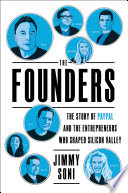
  • Cover of The Founders
    The FoundersBook

    Jimmy Soni

    About. The definitive story of PayPal — the Confinity/X.com merger, the near-death fights with fraud and eBay, and the team that became the "PayPal mafia."

    Why. The best reported account of a startup surviving chaos — and the origin of the founder network that still shapes tech.

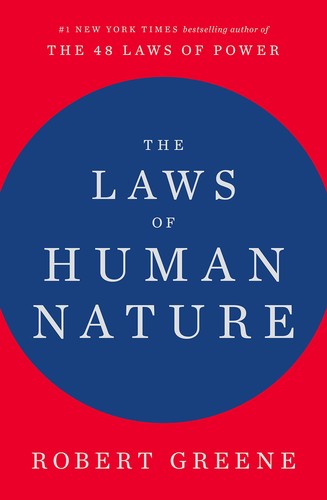
  • Cover of The Laws of Human Nature
    The Laws of Human NatureBook

    Robert Greene

    About. Greene's field guide to the recurring patterns behind what people do — envy, grandiosity, passive aggression, conformity — told through historical figures.

    Why. For stepping back, noticing motives, and becoming a more deliberate observer; use as a framework, not certainty about others.

  • Yes We (Still) CanBook

    Dan Pfeiffer

    About. Part memoir of running Obama's White House communications, part diagnosis of how Democrats lost the message war, with practical lessons on framing.

    Why. Obama's communications director on how Obama connected, framed, and held a room — the craft from the inside.

  • Cover of What's Our Problem?
    What's Our Problem?Book

    Tim Urban

    About. The Wait But Why writer's map of how societies think — "higher mind" versus "primitive mind" — and why modern politics and culture feel broken.

    Why. A framework for how groups form beliefs and turn on each other — a useful lens on audiences and markets.

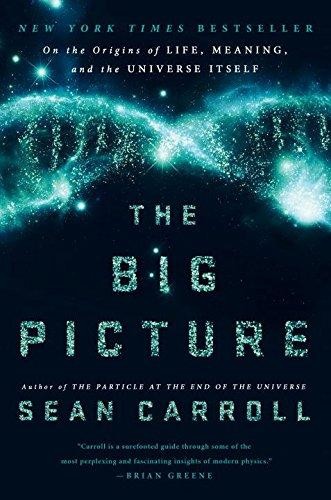
  • Cover of The Big Picture
    The Big PictureBook

    Sean Carroll

    About. A physicist's account of how the universe works and what follows for meaning — from quantum fields up to consciousness, purpose, and how to live.

    Why. One coherent climb from physics to meaning — good material for building a worldview.

  • Cover of The Natural
    The NaturalBook

    Joe Klein

    About. Klein's short, sharp study of Clinton's political gifts and self-inflicted wounds.

    Why. The sharpest account of Clinton's gift for making strangers feel like the only person in the room.

  • Cover of Superintelligence
    SuperintelligenceBook

    Nick Bostrom

    About. The Oxford philosopher's systematic book on paths to machine superintelligence, why controlling it may be impossible, and what to do before it arrives.

    Why. The book that made AI risk a serious topic in tech; pair it with Human Compatible.

  • Cover of The Delectable Negro
    The Delectable Negro: Human Consumption and Homoeroticism within U.S. Slave CultureBook

    Vincent Woodard

    About. Woodard's posthumously published academic study of consumption — literal and figurative — in US slave culture, reading hunger, cannibal imagery, and homoeroticism through slave narratives. Dense cultural-studies scholarship.

    Why. A serious, demanding text on race, power, and the body in America — worth it if you want the theory.

  • Cover of No Limits
    No Limits: The Will to SucceedBook

    Michael Phelps with Alan Abrahamson

    About. Phelps's 2008 memoir built around the eight Beijing races — the goals, visualization, and training routine behind each one.

    Why. How he prepared, handled pressure, and kept his head when it counted most.

  • Cover of Our Final Invention
    Our Final InventionBook

    James Barrat

    About. A documentary filmmaker's reported case that superintelligent AI is an existential risk, with interviews from both sides.

    Why. The alarm-bell counterpart to Human Compatible.

  • Cover of The Fixers
    The FixersBook

    Joe Palazzolo and Michael Rothfeld

    About. Investigative reporting on the lawyers, tabloid figures, and intermediaries around Trump, including who controls access and information.

    Why. Shows the layer most people miss — the fixers and middlemen who move information, money, and access.

  • Cover of Ignition!
    Ignition!Book

    John Drury Clark

    About. A rocket scientist's funny, alarming history of liquid rocket propellants — fuels that explode, corrode, and poison, and how the field actually moved forward.

    Why. The funniest true book about engineering failure. A famous Elon Musk recommendation.

  • Cover of The Wealth of Nations
    The Wealth of NationsBook

    Adam Smith

    About. The 1776 founding text of economics — division of labor, markets, prices, trade, and what makes nations rich.

    Why. The source code for how people still talk about markets; read Book I and skim.

  • Cover of First in His Class
    First in His ClassBook

    David Maraniss

    About. Maraniss's biography of Clinton up to his 1991 run — Hot Springs, Georgetown, Oxford, Yale, Arkansas.

    Why. How young Clinton worked every room, listening, reading people, turning strangers into loyalists.

  • Cover of The Bridge
    The BridgeBook

    David Remnick

    About. Remnick's biography of Obama's rise — Hawaii, Chicago organizing, the Senate, the presidency — built around race in America.

    Why. How he learned to hold very different rooms and make each audience feel understood.

  • Cover of Human Compatible
    Human CompatibleBook

    Stuart Russell

    About. A leading AI researcher's argument that optimizing a fixed objective is unsafe, and his proposal to rebuild AI around uncertainty about human preferences.

    Why. The clearest technical case for why agent design choices carry real stakes, from inside the field.

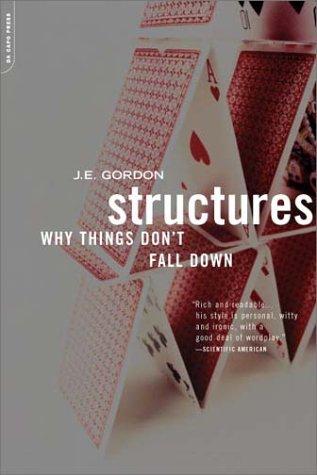
  • Cover of Structures
    StructuresBook

    J.E. Gordon

    About. An engineer's classic on why things stand up or fall down — stress, strain, beams, bridges, cathedrals, bones — written for non-engineers with wit.

    Why. First-principles engineering thinking in plain English.

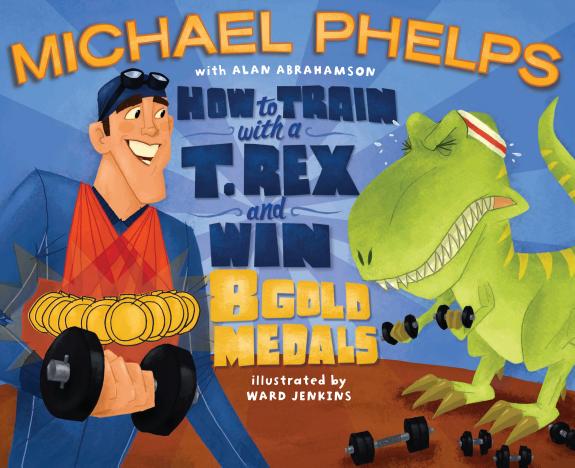
  • Cover of How to Train with a T. Rex and Win 8 Gold Medals
    How to Train with a T. Rex and Win 8 Gold MedalsBook

    Michael Phelps

    About. A 32-page picture book turning Phelps's Beijing training volume into kid-sized comparisons.

    Why. His children's picture book; skip unless you want it for the collection or a kid in your life.

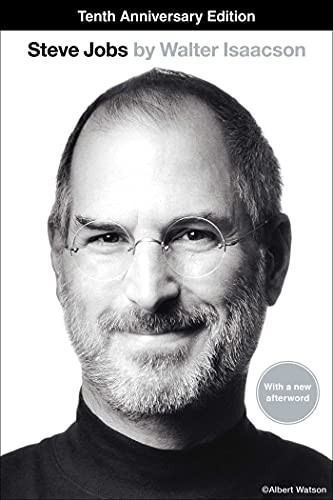
  • Cover of Steve Jobs
    Steve JobsBook

    Walter Isaacson

    About. The authorized biography built on forty interviews with Jobs — Apple, NeXT, Pixar, the return, and the personality behind both the products and the damage.

    Why. The founder biography — product taste as a competitive weapon, and the honest cost of that intensity.

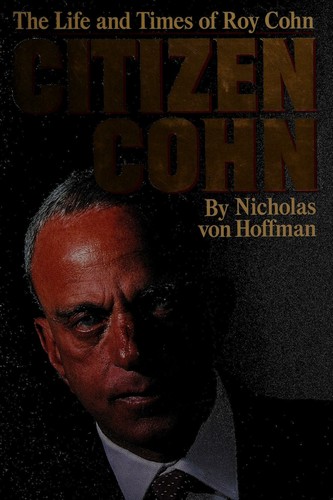
  • Cover of Citizen Cohn
    Citizen CohnBook

    Nicholas von Hoffman

    About. The 1988 original on Cohn's method — winning by knowing everyone's pressure points.

    Why. Worth reading against the newer bios to see what holds up.

  • Cover of Life 3.0
    Life 3.0Book

    Max Tegmark

    About. An MIT physicist's map of the AI future — near-term effects on work, weapons, and law, then long-range scenarios.

    Why. The most founder-readable of the AI-future books — concrete scenarios to argue with.

  • Cover of Confidence Man
    Confidence ManBook

    Maggie Haberman

    About. A Trump biography focused on his relationships, image-making, and use of attention.

    Why. The closest study of how Trump reads a room and plays an audience, from the reporter who covered him longest.

  • Cover of Deep Learning
    Deep LearningBook

    Ian Goodfellow, Yoshua Bengio, Aaron Courville

    About. The standard graduate textbook on modern neural networks — the math and methods, from backpropagation to representation learning.

    Why. A reference, not a read-through — keep it for when you want to understand the machinery.

  • Cover of Foundation
    FoundationBook

    Isaac Asimov

    About. Asimov's 1951 novel — Hari Seldon uses "psychohistory" to predict a galactic empire's fall and builds a Foundation to shorten the coming dark age.

    Why. A novel about modeling the future at scale and designing an institution to survive collapse.

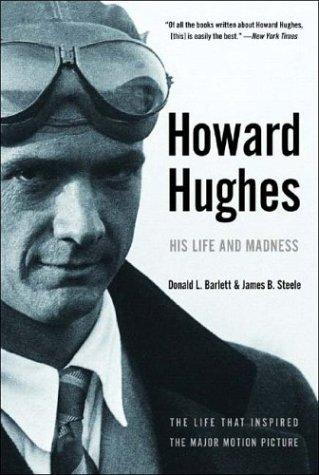
  • Cover of Howard Hughes
    Howard HughesBook

    Donald L. Barlett and James B. Steele

    About. Two investigative reporters' account of Hughes — the aviation records and Hollywood years, then his withdrawal while aides took over his empire.

    Why. The cautionary founder biography — what happens when total control meets no one willing to say no.

  • Cover of The Spider
    The SpiderBook

    Barry Levine

    About. Investigative reporting on Epstein's network, wealth, and enablers.

    Why. The documented record of who he collected and how access turned into protection.

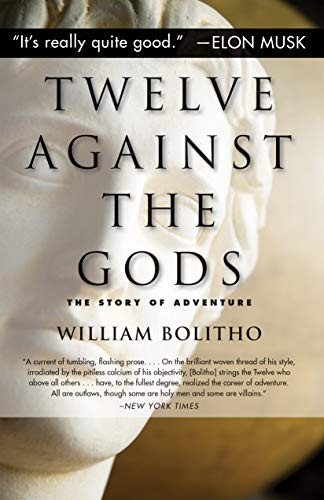
  • Cover of Twelve Against the Gods
    Twelve Against the GodsBook

    William Bolitho

    About. A 1929 cult classic — twelve short biographies of adventurers and conquerors, on what drives people who gamble everything.

    Why. Short, vivid portraits of extreme ambition — audacity as a pattern across lives.

  • Cover of Catherine the Great
    Catherine the GreatBook

    Robert K. Massie

    About. Massie's biography of the minor German princess who seized the Russian throne in 1762 and ruled for 34 years.

    Why. A study in self-invention — an outsider with no claim who out-read, out-worked, and out-maneuvered everyone at court.
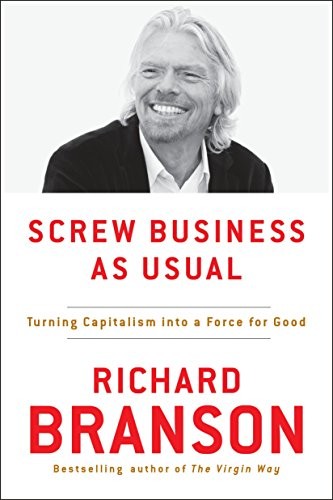
  • Cover of Screw Business as Usual
    Screw Business as UsualBook

    Richard Branson

    About. Branson's 2011 argument that profit and doing good reinforce each other, with stories from Virgin.
    Why. One billionaire's pitch for what a company should be; read it as advocacy, not proof.

  • Cover of Game Change
    Game ChangeBook

    John Heilemann and Mark Halperin

    About. The inside account of the 2008 election — Obama versus Clinton, then McCain and Palin — from hundreds of off-the-record interviews.

    Why. Both men under 2008 campaign pressure — Obama's calm against the Clinton machine, room by room.

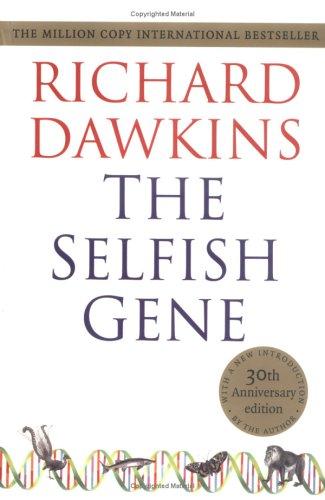
  • Cover of The Selfish Gene
    The Selfish GeneBook

    Richard Dawkins

    About. Dawkins's 1976 classic arguing that genes, not individuals or species, are what evolution acts on — the book that coined "meme."

    Why. A masterclass in one idea explaining a huge system — and the origin of "meme" as a model for how ideas spread.

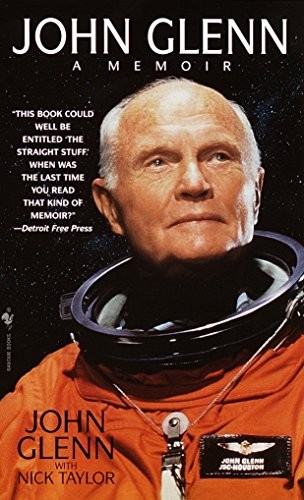
  • Cover of John Glenn: A Memoir
    John Glenn: A MemoirBook

    John Glenn with Nick Taylor

    About. The first American to orbit Earth, then returned to space at 77 on STS-95 (1998). 1999, Bantam.

    Why. The real-life Space Cowboys story.

  • Cover of Yeager: An Autobiography
    Yeager: An AutobiographyBook

    Chuck Yeager with Leo Janos

    About. The Bell X-plane test-pilot era, from the first man to break the sound barrier. 1985, Bantam.

    Why. The film's 1958 prologue, lived.

Concya

The Autonomous General Manager for hospitality groups.

concya.com

Protocol. An infrastructure rail for agent-to-agent booking and reservations.

Ontitled

Omposition

Meeting Elon

Aug 2025

Elon Musk on a video call shown on two wall-mounted TVs above rows of poinsettias, Palo Alto
palo alto, aug '25

I was flown to Palo Alto to build with the x.ai team. Seeing Elon, I knew one day I wanted to solve a very big problem. That will take a lot of patience: understanding the world, reading between the lines, and seeing what I can make of it.

Link